This is part two of my newsletter on using value cards and other physical tools to help us connect with what matters most to us.
A video is included at the end of this newsletter for those who prefer to watch.
Part one key steps:
• Physicalise the Value
• Open up the conversations with gentle prompts and curiosity
• Remembering values have a shadow side too
• Listen to the advisor's voice
• Listen to the noticer's wisdom
Click here to read part one!
Part two:
Here we'll explore ways to connect values to action in our daily lives.
Don't throw the snake into their laps:
Pain often shows up alongside values.
Values work is exposure to what matters and to the pain of loss. If we dive in too quickly, clients can withdraw. After all, not living the life we want is amongst the most painful experiences we can have.
Engage in gentle conversation around a chosen card. Often, people say they don't know why they chose a card. Ask them how the image speaks to them. Be patient and allow the conversation to unfold, constantly looping back to what they notice in their body and what their advisor tells them. This is exposure.
Link to vitality through exposure:
Ask your client to describe a time when they were engaged in the behaviour listed on the card. Watch their language and affect as they share.
Sometimes the path to conversation is straightforward. Here's an example that isn’t direct:
My client chooses the card, "Daring to Dream" I notice they are hesitating, holding the card.
Client: I don't know why I chose that. I guess I just liked the idea.
Louise: You don't have to know exactly why; sometimes there's only a hint inside the card.
Louise: Have you ever seen a movie or read a book where someone dreamed of big things, things that seemed impossible?
Client: Yeah, when I was a teenager, I loved the book 'Hunger Games.'
A shared discussion of the book's themes continues for a bit. We settle on how Katniss dreamed of returning to her family, saving her sister, and conquering evil.
Client: I don't see what a movie I liked as a kid has to do with this card, though?
Louise: If you were daring, sort of like Katniss, what direction would you take?
Client: Shrugs. I want to be myself, but I'm not even sure what that means.
In that moment, there is a different energy between me and the client. They seem to alternate between fierce courage and sadness.
Louise: What if we don't need to know how to do that right now? What if we work on the idea that you want to 'be yourself' and take steps to discover more?
Client: Yeah. (Nods) I guess that's ok.
I worry the client is closing down. I am going to move the client away from this topic to allow a little exploration.
Louise: Okay, how about this? Let's open a note on your phone and write down five things you might dream about, perhaps even stuff you can't ever imagine happening. For example, if I were doing this for myself, I might write, 'Live in Bali for six months.' I don't expect to do that soon, but it’d be amazing, and I often dream of living somewhere warm.
Together, we begin to write five things. My client jokes about their five things, but it facilitates a discussion of what 'daring to dream' can mean. Including: allowing their advisor to wander, setting aside judgment or worry, noticing their feelings, and sensing the opening of their heart to life.
Now we have valued energy between us, I return to the immediate value of, ‘I want to be myself'
Louise: Let's come back to you. You said you valued 'being yourself, whatever that means.' Would you be willing to find out what that means?
Move to Discovery:
Now, being open and curious takes centre stage.
Continuing the above example, I'd ask the client to take a photo of the card with their phone and use that as a reminder for practice.
We have the relation 'being myself' = 'daring,' so we could create a screensaver on their phone that displays the word 'Daring.'
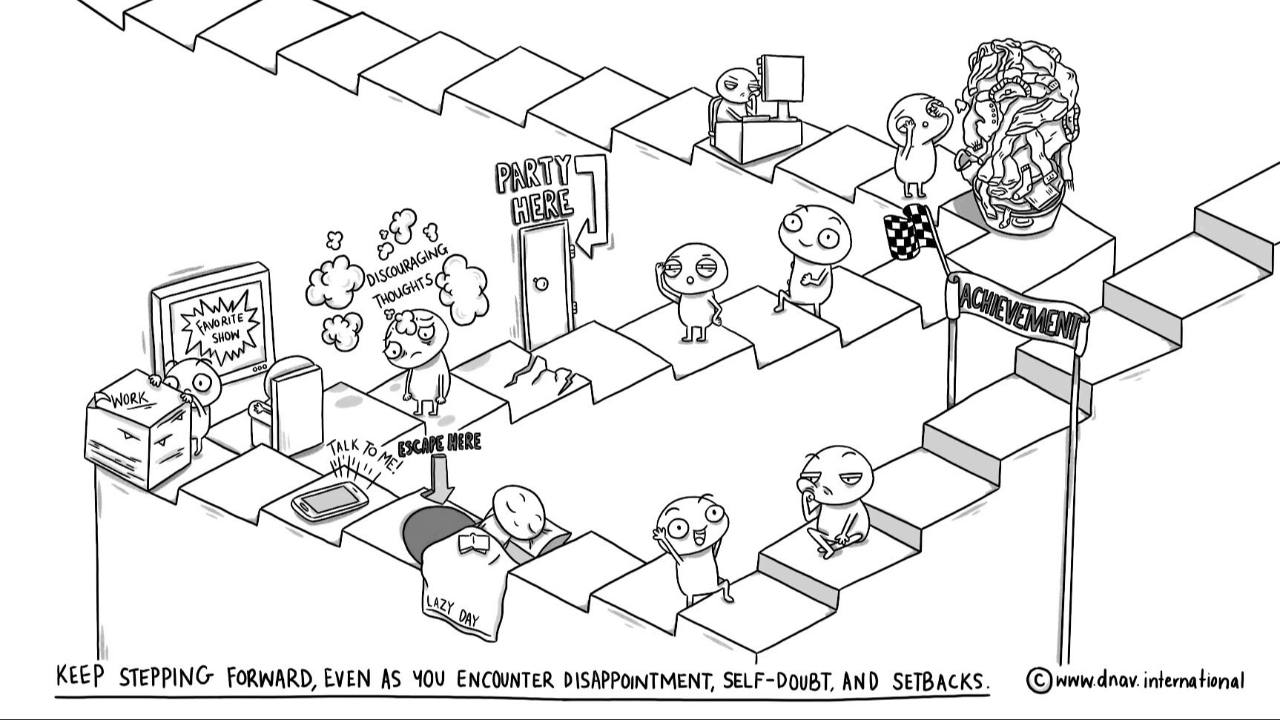
Values are reflected in the actions we take in the world, not in our feelings or wishes. Ask people to notice small steps and allow space for whatever judgements or feelings they have.
Build up 'me' and 'we' values:
We each carry a sense of 'other' within us; therefore, helping clients move beyond individualistic values to shared values is essential.
I think that will be part three of values card sorting!
See you in my next newsletter.
Ready to start your own values work?
|
And, for My Valued Action:
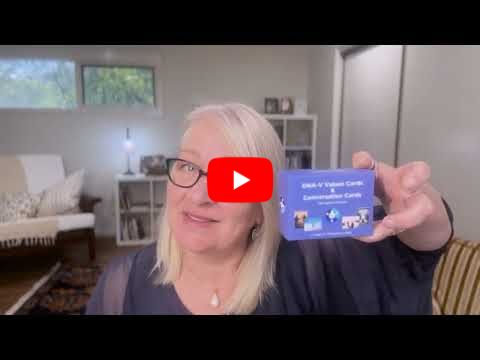
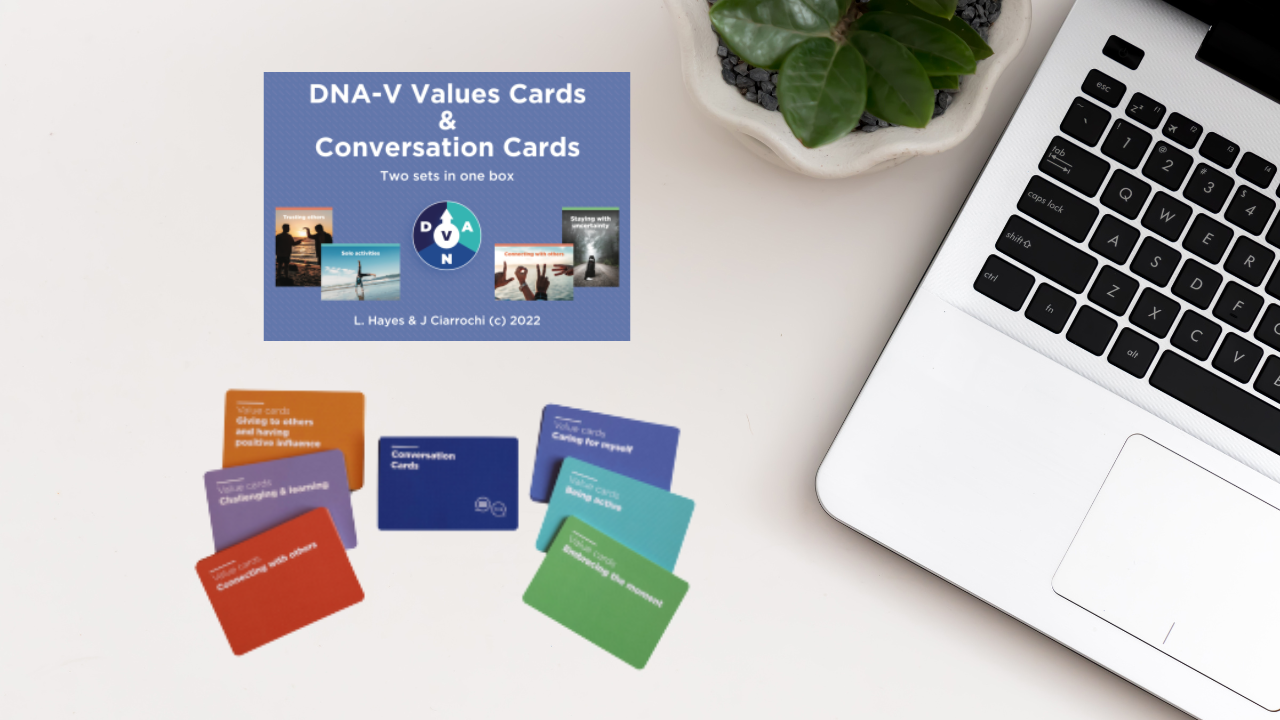
The values cards referenced in this article are available through my training portal, with all profits supporting The Pearl Lotus Fund (Inc), an Australian registered not-for-profit charity that supports kids in remote Nepal. These beautifully designed cards, featuring evocative imagery, can transform your therapeutic practice by making abstract values tangible and accessible.
Training, Courses & Mentorship

With warmth and kindness,
Louise