While there are many ways to explore values in therapy—through discussion, reflection, and various exercises—there's something uniquely powerful about using physical values cards. The tangible nature of holding, sorting, and choosing creates an embodied experience that brings abstract concepts to life in ways that purely verbal approaches cannot match. And, if you have images, not just words, values discussions are even richer.
|
1. Physicalise the Value
In therapeutic work, I've noticed something profound happens when clients engage with values exercises using physical cards. When I use cards as a tangible prompt and observe people as they sort them, placing some cards in the "not very important now" pile and keeping others, their bodies tell me a story.
Let's say I'm working with a client who wants to change careers. I watch them as they hold the "creativity" card in their hand. In that moment, creativity is tangible, present. My client weighs it in their hand, then exhales, and discards the creativity card into the not-important pile. I wonder if, in that moment, fear of failure gripped them? Perhaps their inner advisor whispered, "You're not creative. Better leave that one out."
You can also physicalise values with photos, drawings, poetry, narrative writing. Physical is present and alive.
When You Work with Values, Be Curious
The act of sorting cards creates an illusion that the value is present. It's in the room. This is especially true when using images, cards, drawings, photos.
Values work reveals something beautiful about therapeutic work: we can bring what truly matters to life. What matters gets close, touchable.
If a client chooses a card, it can point a way forward. They can take a photo of it, make it a screensaver, and it goes home with them. A memory of what matters in their heart.
If a client discards a card, they are choosing not to focus on that value at this time.
Of course, their sneaky self-talk might instead suggest that they are discarding that value from their life! But you can remind clients that this is not true; they are merely discarding the card, a piece of paper, and they can rechoose that value at any time.
Listening to Our Advisor's Voice
The "advisor" is that internal voice of rules, expectations, and learned 'shoulds' that often drives our choices. As your clients sort their values cards, listen carefully to their language. You'll hear socially acceptable responses: "I should value achievement." "I should put family in the important pile."
When self-talk is fast and automatic, it's often reflecting years of social expectations and internalised rules.
When self-talk is creative, it might sound stumbling, hesitant, or uncertain. We can help people put their new ideas into words; help them find new ways of talking to themselves, and new ways to act in the world.
This shift from advisor-driven to more authentic choosing is where transformation begins.
Listen to Our Noticer's Gentle Wisdom
The "Noticer" represents our embodied awareness—the part of us that can observe our internal experience. If you encourage clients to embrace uncertainty, curiosity, and openness to their sensory awareness, something shifts in the room; the quality of their attention can change, becoming more present and less reactive.
Notice sensations that arise when a values card choice is made. For example, as your client holds the card 'Learning new things', you may notice that tension comes. Together you can pause and listen—this is a message. Does this arise because you are afraid of losing something valuable? Perhaps there is another reason?
Your Noticer doesn't offer neat answers. Instead, it promotes exploration by listening to internal messages, even when they feel uncomfortable or impractical.
Values Have Shadow Too
Too often values work emphasises the positive — such as kindness, growth, and courage. But values can have negative valence too. Sometimes living your values means embracing discomfort, facing struggle, or sitting with difficult emotions.
"Facing my struggles" might point to honouring self-care.
"Saying goodbye" could point to the value in love and loss, and how to carry grief.
"Embracing uncertainty" might reflect a deep value of authenticity over safety.
Your understanding of how values work and your gentle guidance can help clients develop rich insight into why a values card spoke to them. Then, you can help them transform their lives to one that is guided by values, not a life guided by rules.
Stay tuned for my next newsletter on moving values to action.
And, for My Valued Action:
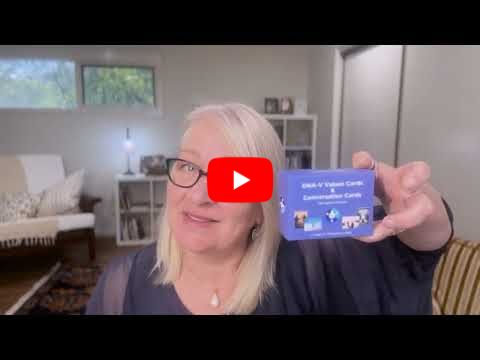
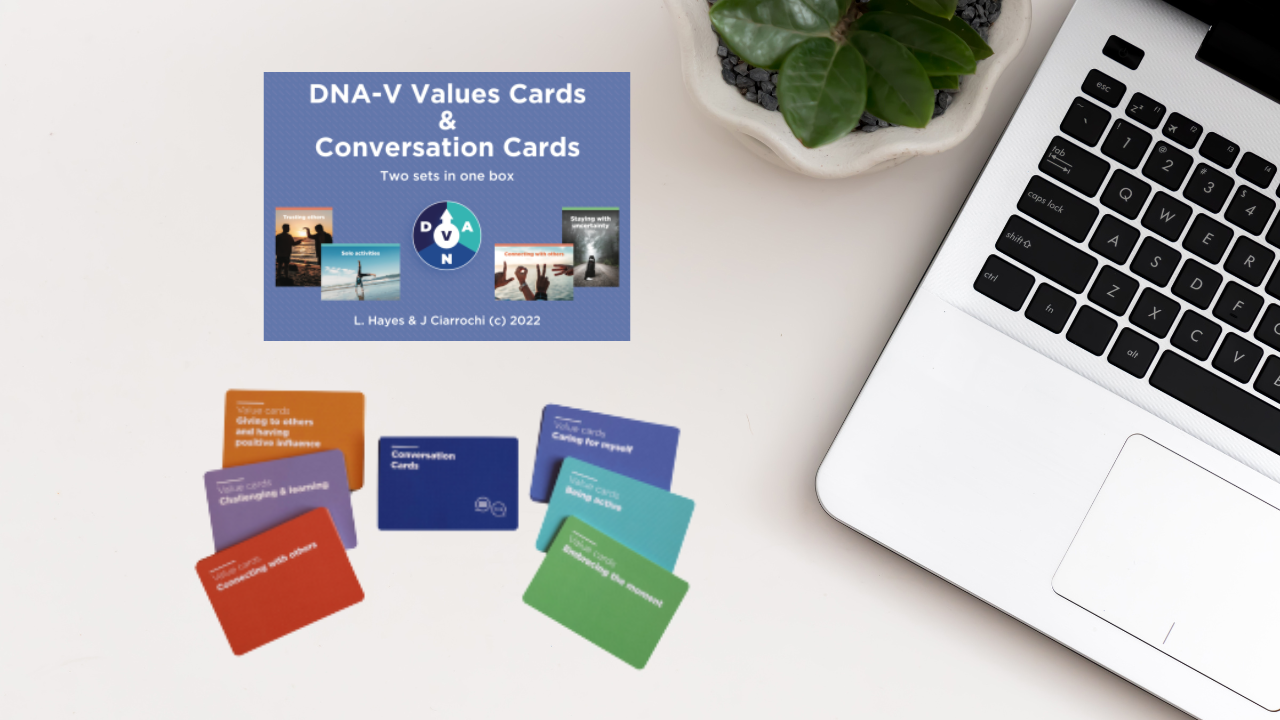
The values cards referenced in this article are available through my training portal, with all profits supporting The Pearl Lotus Fund (Inc), an Australian registered not-for-profit charity that supports kids in remote Nepal. These beautifully designed cards, featuring evocative imagery, can transform your therapeutic practice by making abstract values tangible and accessible.
Training, Courses & Mentorship

Mindful Adventures November 2025
We have two spots for our Mindful Adventures retreat in November 2025.
If you'd like to join please email me at office.louisehayes@gmail.com
Join Mindful Adentures November 2025
With warmth and kindness, Louise